
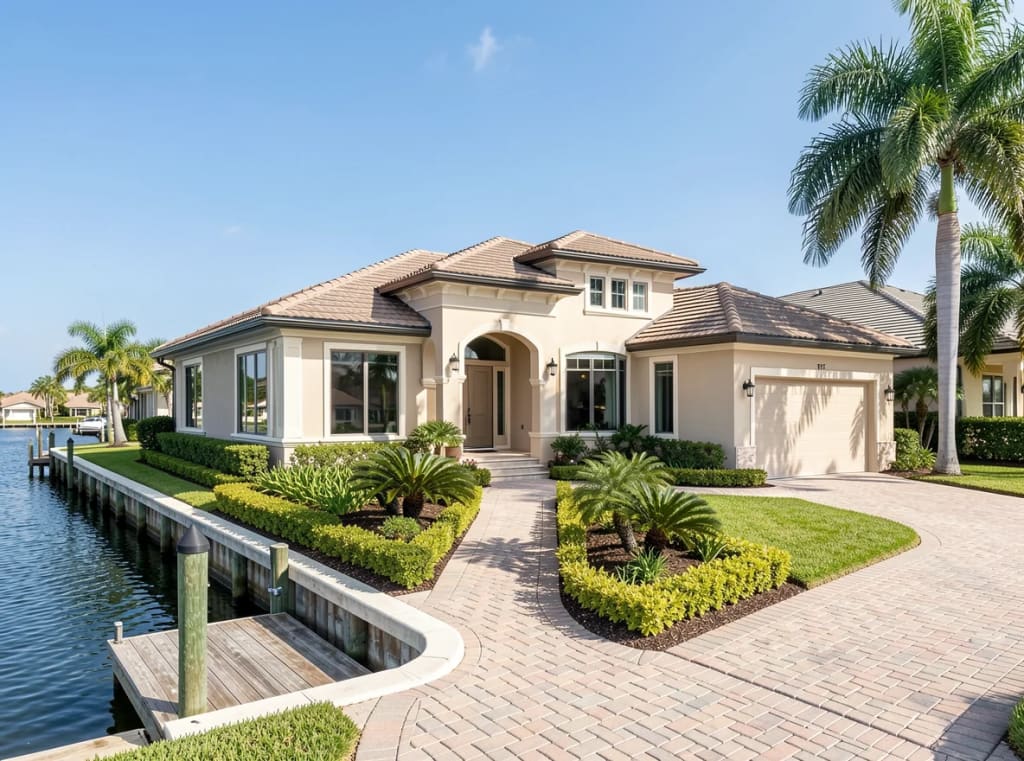
6 Hidden Costs of Owning a South Florida Waterfront Home
What South Florida Waterfront Buyers Often Miss
Owning a waterfront home in South Florida can feel like the ultimate reward: sunrise views over the Intracoastal, a private dock just steps away, and breezes that make every evening feel like a vacation. But the purchase price is only part of the story. What many buyers discover after closing is that the real cost of waterfront ownership is shaped by maintenance, insurance, environmental exposure, and regulations that simply do not affect inland properties in the same way.
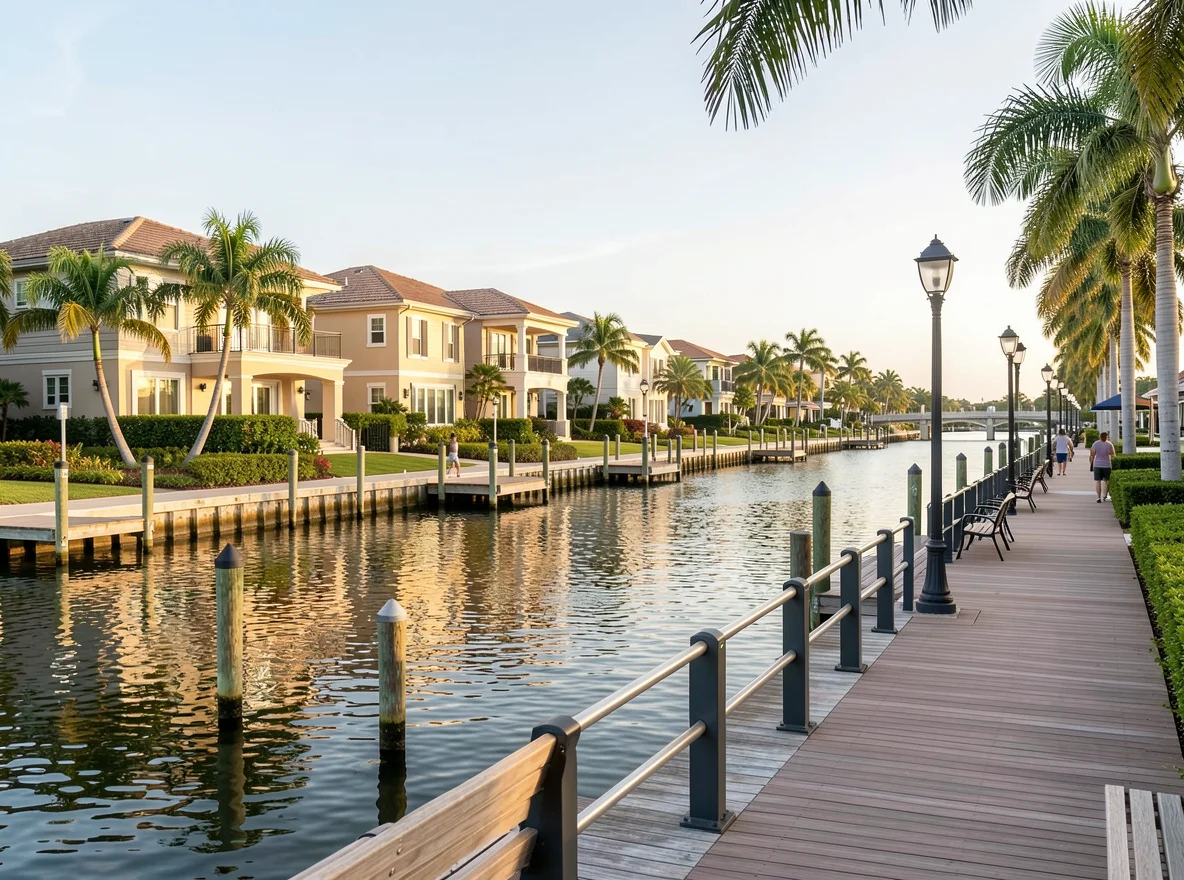
The first hidden cost is insurance—and in coastal Florida, it can be a major line item. Beyond standard homeowners coverage, buyers may need separate flood insurance, higher windstorm coverage, and stricter underwriting because of proximity to open water. Premiums can vary dramatically depending on elevation, seawall condition, roof age, storm shutters, and even the exact block. A house that looks like a dream on the water may come with annual insurance costs that surprise buyers who only compared mortgage payments and taxes.
The second is ongoing exterior wear from salt, humidity, and sun. Waterfront properties age differently. Metal fixtures corrode faster, paint and sealants break down sooner, and windows, doors, railings, HVAC systems, and even garage hardware often need replacement earlier than expected. On a typical suburban home, routine maintenance can be predictable. On a coastal property, the environment is constantly working against exposed materials. That means larger repair budgets and more frequent preventive upkeep if you want the home to stay beautiful and structurally sound.
Third, seawalls, docks, and boat lifts are expensive to maintain and even more expensive to replace. These features add lifestyle value, but they are not passive amenities. Seawalls can crack, shift, or erode. Docks require inspection, resurfacing, electrical updates, and periodic repair. Boat lifts involve motors, cables, pulleys, and marine-grade components that do not last forever in a saltwater environment. Buyers who focus only on the home itself can miss the fact that some of the most costly items are actually outside, along the waterline.
The Carrying Costs Go Beyond the House Itself
Another frequently overlooked expense is landscaping and drainage management. Tropical curb appeal looks effortless when it is well maintained, but waterfront lots often need specialized irrigation, trimming, fertilization, and storm cleanup. In low-lying areas, grading and drainage become especially important. Standing water, soil movement, and runoff issues can create long-term headaches if not addressed quickly. Even a stunning pool patio can require extra care because of moisture exposure, salt air, and intense UV conditions year-round.
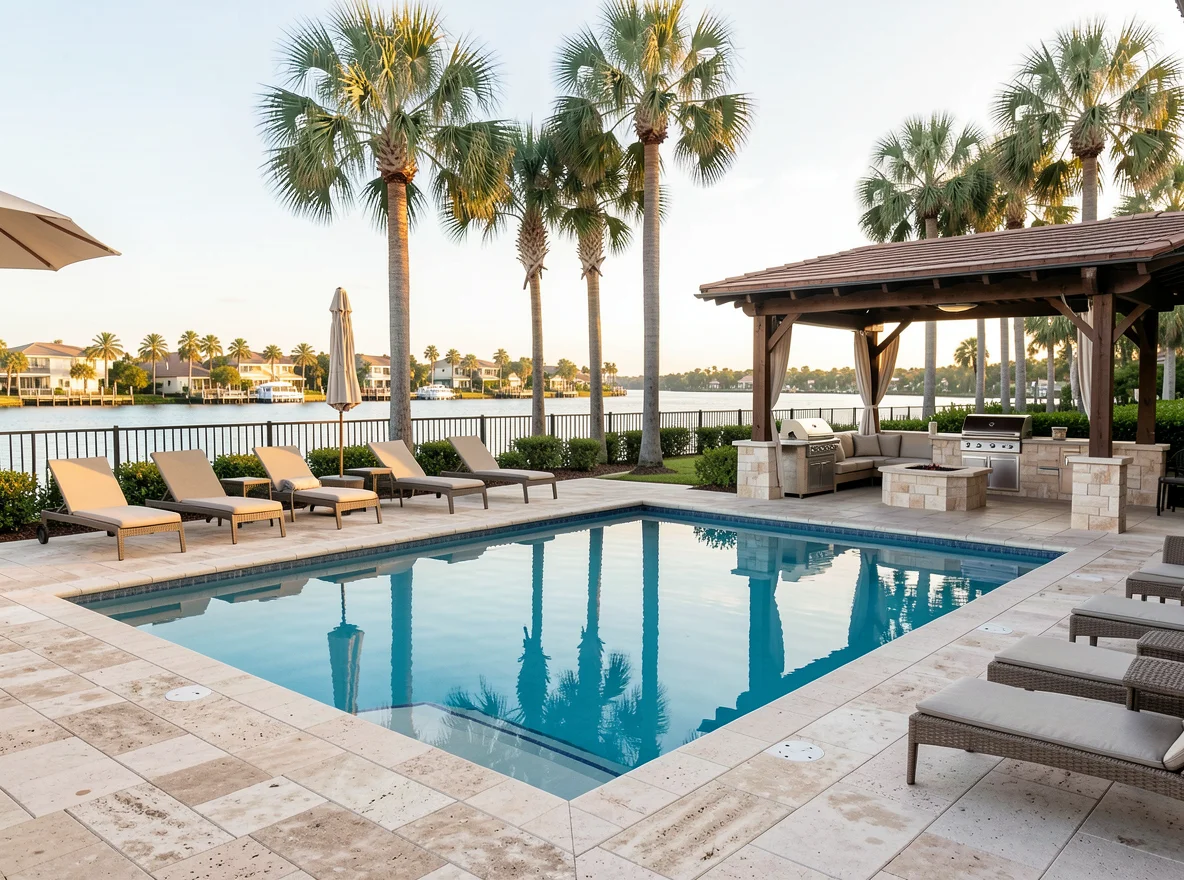
Property taxes and association rules can also catch buyers off guard. In some waterfront communities, assessed values rise quickly because of scarcity and demand. If the property sits inside a gated enclave or boating-focused neighborhood, HOA fees may cover security, common-area maintenance, marina-related services, or community amenities—but those fees can still significantly affect monthly carrying costs. And if you plan to renovate, add a dock feature, reconfigure the yard, or install a larger pool deck, local approvals may be more complex than they would be on a non-waterfront lot.
Then there is the cost of storm readiness. Prepared owners budget for impact windows, backup power, roof inspections, drainage improvements, and annual tree maintenance. If the home lacks updated hurricane protection, buyers may need to make those investments soon after closing, not years down the road. These are not cosmetic upgrades. In South Florida, they affect safety, insurability, and resale strength. A less expensive waterfront home can quickly become the costlier choice if major resilience improvements are still ahead.
One more hidden cost is time. Waterfront ownership often demands more oversight, more vendors, and more regular inspections than buyers expect. It is not unusual to coordinate marine contractors, landscapers, pool service, pest control, insurance reviews, and seasonal exterior maintenance on a recurring basis. For some owners, that is worth every bit of effort. For others, especially second-home buyers or busy professionals, those responsibilities can feel much heavier than anticipated.
Why Smart Buyers Look at Lifestyle and Long-Term Value Together
None of this means a South Florida waterfront home is a bad investment—far from it. These properties remain some of the most desirable in the state because they offer a rare mix of luxury, recreation, and everyday beauty. Boating access, open-water views, strong buyer demand, and limited inventory can make well-chosen waterfront homes incredibly rewarding both personally and financially. The key is understanding the full ownership picture before you buy, not after.
That is where local guidance matters. Buyers need more than a list of available homes; they need insight into seawall condition, flood-zone implications, neighborhood resale trends, insurance realities, and which properties offer the best balance of lifestyle and manageable upkeep. A results-driven Florida advisor can help separate true value from expensive surprises, especially in a market where two homes with similar asking prices may have very different ownership costs over time.
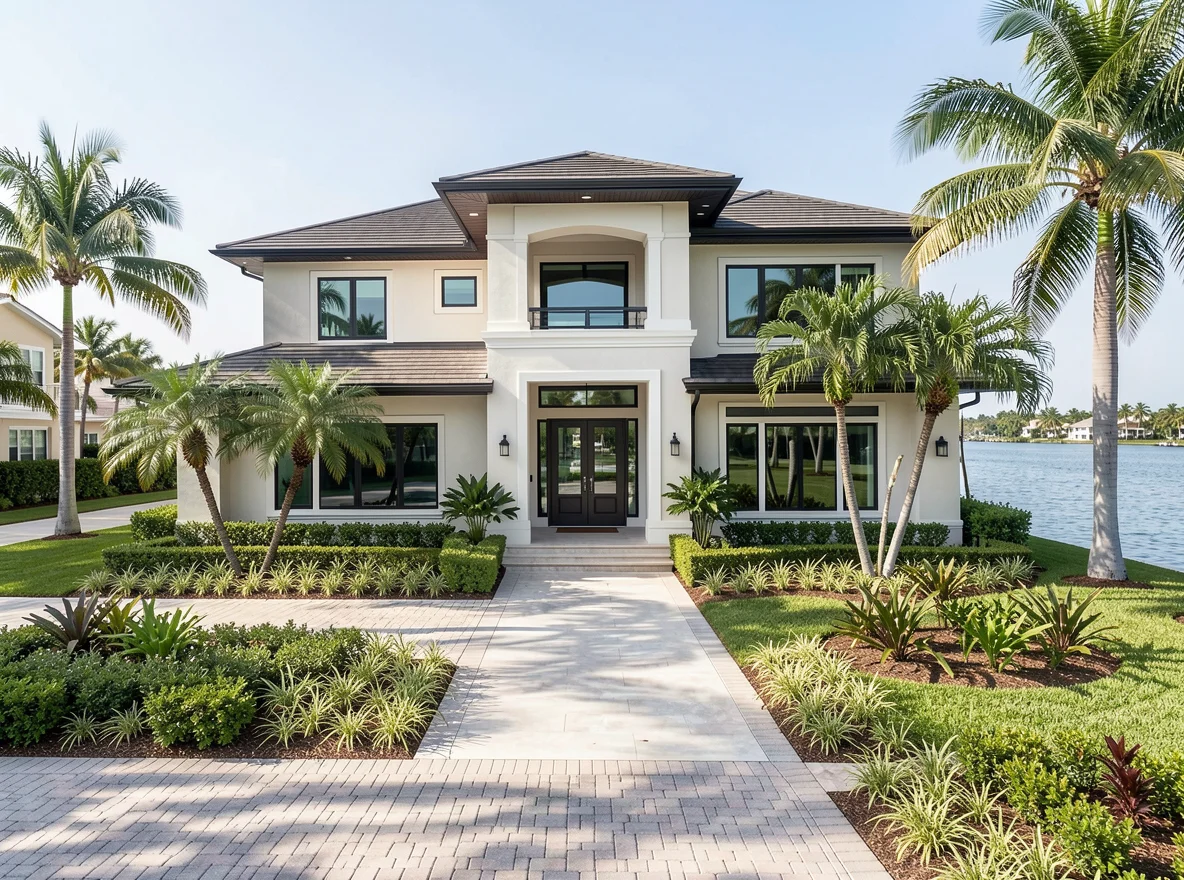
South Florida living still delivers what buyers dream about: morning coffee by the water, weekends on the boat, glowing sunsets, and a sense of arrival that few property types can match. But the smartest purchases happen when emotion and due diligence work together. Understanding the six hidden costs—insurance, accelerated maintenance, marine structure upkeep, landscape and drainage needs, taxes and fees, and storm-prep spending—helps buyers move forward with confidence instead of guesswork.
If you are considering a waterfront move, the goal is not to avoid these homes. It is to buy the right one, with clear eyes and a solid strategy. With the right market knowledge, careful inspections, and experienced representation, a South Florida waterfront property can still be every bit as rewarding as it looks from the dock.